2: Iron & Wine – Beast Epic
 Here is perhaps the most misleading album title of last year. Beast Epic may refer to the literary genre in which animals take on human voices, but music fans would be forgiven for thinking they’re about to slog through a bombastic heavy metal concept album – it’s a wonder Iron Maiden didn’t get to the name first. Fortunately, the sixth solo release by indie-folk hero Sam Beam, a.k.a. Iron & Wine, is succinct, stripped down, and simply gorgeous. (The homey embroidered cover image is a much more fitting indication of the contents within.) After dabbling in electronics and studio embellishments on his most recent albums, Beam circles back to the intimate, unadorned sound of his earliest recordings. Close your eyes and it may seem as if he is playing right in your living room. You hear the strings of his acoustic guitar creak and its hollow body reverberate as he raps out a laid-back tempo. Muted percussion, keyboards and strings are used sparingly for accompaniment. Beam’s formidable talents as a songwriter shine brightest in this natural state. His lyrics here are full-hearted meditations on the human condition and the wonders of nature, studded with the occasional barbed observation. “Jesus and his trophy wives are praying for the suicides and orphans,” he sneers on “The Truest Stars We Know.” A cozy masterpiece, Beast Epic ranks with 2007’s The Shepherd’s Dog as Beam’s finest work.
 This year’s comeback award, which I benevolently bestowed upon
  Some of the most interesting acts in pop music today–
 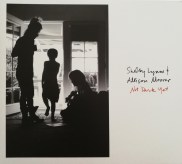 Separately, sisters Shelby Lynne and Allison Moorer have forged enduring careers in country music— Moorer has released 10 albums, Lynne 15. But they haven’t gotten around to recording together in earnest until now. Their first full-length collaboration is a superb collection of covers that runs the gamut from comfort-zone picks by Merle Haggard and the Louvin Brothers to surprising curveballs by Nick Cave, the Killers, and Nirvana. In a close race, the cover to beat is the Bob Dylan-penned title track. Taken from the 1997 late-career masterpiece Time Out of Mind, Dylan’s hushed ode to creeping mortality is handled with tender loving care by the siblings and an ace backing band that includes Tom Petty and the Heartbreakers’ keyboardist Benmont Tench. The most unexpected cover, Nirvana’s “Lithium,” is also the one that doesn’t quite work. While Lynne and Moorer get points for thinking outside the box, the comparatively tame country arrangement lacks the grunge trio’s dynamic punch and Kurt Cobain’s singular genius-stoner delivery. The one original song here, “Is It Too Much,” written by Lynne, is a haunting meditation on the weight of pain and loss that is wrested from the gloom by the sisters’ rapturous harmonizing. Here’s hoping for many more collaborations to come.
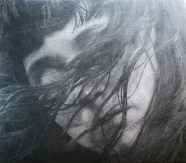 Katie Crutchfield, the creative force behind Waxahatchee, steps on the gas for her fourth full-length outing. While the Alabama native’s early work mined an introspective indie-folk vein and 2015’s promising Ivy Tripp toyed with various styles and tempos, Out in the Storm flat-out rocks. It recalls the dynamic ‘90s grunge-pop of Belly and the Breeders. Collectively a rumination on the dissolution and aftermath of an unhealthy relationship, the songs crackle with raw emotion. “I’d never be a girl you’d like or trust or respect,” Crutchfield laments on the bitter “Brass Beam.” If Crutchfield’s lyrical confessions can be at times uncomfortably intimate, the alt-rock riffs are so buoyant that it’s possible to tune out the heartache and just pogo around the living room. But the pain is impossible to ignore on “Fade” the gorgeous ballad that ends Out in the Storm. Here we find the protagonist post-breakup, battle-scarred but ultimately wiser. “I poured everything out/It never would be enough,” Crutchfield acknowledges mournfully. It’s an apt moment of closure on this electrifying album.
 Real Estate covers no new ground on its fourth album—pun intended, I’m afraid—but the New Jersey fivesome’s brand of smart, mellow indie-pop is such a winning formula, it doesn’t need to…yet. Internally, the group suffered a seismic upheaval in 2017 when it lost founding member Matt Mondanile, who left to concentrate on his solo project Ducktails. But judging from this fine first post-split effort, Mondanile’s departure has barely caused a ripple in the band’s placid sound. The jangly melodies still recall soft-boiled R.E.M.—think “So. Central Rain,” not “Finest Worksong,” etc. And co-founder and head songsmith Martin Courtney’s lyrics remain genial, daydreamy musings cut with a dash of suburban dread. The lovely “Holding Pattern” chronicles a predictable day in the life of its author, who flirts with existential angst (“It’s just this game/Makes me insane/I wonder where we’re going”) before succumbing to the comforting numbness of sleep (“Someone pressed pause/Wrapped me in gauze/And turned the lights off”). In my
  With its seductive melodies and pillow-talk interplay between vocalists Romy Madly-Croft and Oliver Sim, xx, the 2009 debut album by this London trio, was the sultriest British export to come along since Sade. After the mild sophomore slump of 2012’s Coexist, which sounded like a paler copy of the original, the xx pumps up the volume a smidge on this outing. The brassy synth notes and insistent beats that introduce the lead-off track, “Dangerous,” promise a more club-ready sound, and I See You does indeed deliver a few danceable numbers, most notably “On Hold,” the band’s catchiest tune to date. But fans of the hushed intimacy of the first two albums shouldn’t fret too much. The grooves here stay at the techno-lite simmer of, say, “Missing” by Everything but the Girl. And there are still plenty of slow burners like “Replica” that allow Sim and Madly-Croft to wrap their sexy, simpatico voices in an aural embrace. One or two disposable cuts keep this from placing higher on my list, but all in all it’s a sure-footed attempt at expanding the group’s very identifiable sound.
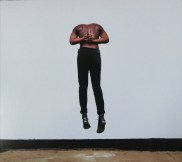 The eerie headless and floating figure, photographed from behind, on the cover of this soulful L.A. up-and-comer’s debut album is unnerving at first glance. Let your mind’s eye adjust and a new image takes shape: The artist gazing very determinedly at his own navel. It’s an apt visual to accompany the themes of solitude and self-reflection that Sumney explores in this lush song cycle. The album’s title, a trendy buzzword for the inability to feel romantic attraction, suggests Sumney’s no fan of happy loving couples. “You need a solid, but I’m made of liquid,” he warns on “Don’t Bother Calling,” one of 11 exquisitely produced tracks here. But he’s savvy enough to know that romantic reclusiveness comes with a price. “Am I vital if my heart is idle?” he wonders on “Doomed.” If the album is introspective to a fault—the languid rhythms and Sumney’s delicate falsetto grow a little snoozy at times—it is nevertheless an impressively ambitious artistic statement by the most promising newbie of the year.
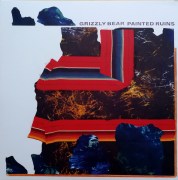 Critics have called this brainy Brooklyn combo’s latest album, its first after an extended hiatus, “elegantly layered” and “immersive.” Non-fans might interpret those accolades as code for “boring.” And to be honest, it took five or six listens for Painted Ruins to click with me as a whole. As usual, the band eschews easy hooks in favour of complex song structures with protean melodies, although the moderately propulsive “Mourning Sound” is one of its most accessible compositions yet. And while the 11 tracks here do allow for the occasional burst of drama, such as the emphatic organ flourishes on “Aquarian,” the overall tone of the album is restrained. Patient listeners will be drawn in by the always-stellar harmonies, virtuoso playing—Daniel Rossen’s guitar work is the standout—and off-kilter lyrics. (The opener, “Wasted Acres,” is a playful ode to a DRX-250 motorcycle.) It’s no party record, to be sure. But if you don’t mind the wait, Painted Ruins will eventually reveal its quiet beauty.
 If you heard me talk, you probably wouldn’t be able to guess right away where I’m from. I was born in Texas and throughout my childhood my family moved all over the American South, from Florida, back to Texas, to Florida again, then to Tennessee and finally to Georgia, where some of my relatives still live. By rights the words I utter should be as drenched in drawl as those of that Clampett clan who loaded up the truck and moved to Beverly—Hills, that is. (Swimming pools. Yada-yada.) Yet due to a fluke of nature, or perhaps congenital obstinance, I’ve resisted the Dixie diction and speak in a voice that is only fleetingly Southern, meaning a twangy syllable might slip out when I’m angry or tipsy, but of course I’m hardly ever either. (Insert winky emoji here.) The rest of the time, it is rather featureless. I asked my spouse to describe my voice and he deemed it “sonorous, uninflected, middle-American.” Notice he didn’t add “irresistibly sexy” and “almost frighteningly macho,” but that’s a topic for another, more private discussion between us. I’m confident in the assertion that, compared to many people from my native region, I have gone through most of my life pretty much accent-free.
 dugoutdiscs