8: Bon Iver – 22, A Million
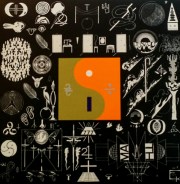 To be honest, until now I haven’t thought much of Bon Iver, the hipster folkie act founded and fronted by Wisconsinite Justin Vernon. Something about Vernon’s plaintive falsetto, at times layered into an Enya-like ooze, as well as the sleepy, strummy melodies and the vague, non-linear lyrics left me shrugging. I even pooh-poohed the Grammy love the band reaped in 2011 for the indie hit “Holocene” and its source album “Bon Iver, Bon Iver,” which bored me silly. On the surface at least, Bon Iver’s third full-length album doesn’t appear to be aimed at doubters like myself. From its esoteric cover art to its eye-rollingly cryptic song titles (one track is actually named “__45__”) to the jarring electronic effects that punctuate its 10 songs, “22, A Million” almost seems designed to repel less daring listeners. But it’s the challenging aspects that make this the group’s best record by leaps and bounds. Whereas previous releases wafted by, barely registering, this one demands that you prick up your ears and pay attention. One minute you’re being pummeled by the software-generated tribal drums on “10 Death Breast,” the next you’re trying to parse the gospel hymn-meets-Laurie Anderson’s vocoder weirdness of “715 CrƩƩks.” It’s an exhilaratingly difficult work and one of the biggest artistic leaps forward by any act this year. But those song titles? They have GOT to go.
 How much cheese is too much? French electronic whiz Anthony Gonzalez, the brains behind M83, tests the limits of that question on his seventh album. “Junk” is an unapologetic tribute to ‘80s pop that is sure to separate the fromage connoisseurs from the lactose intolerant. We’re not talking about the hipster-sanctioned ‘80s sounds of the Cure or the Smiths, no sirree. As the album title suggests, we’re in much less treasured territory—think T’Pau, Go West, and even, gulp, Peter Cetera. Goofy gimmicks and musical clichés are proudly present. There are power ballads, including the hilariously sappy “For the Kids,” which features a spoken-word interlude by an otherworldly child. There is a guitar solo by none other than Steve Vai, the king of overwrought ‘80s axe work. There is even an instrumental that sounds disturbingly like the theme song from “Gimme a Break.” All this pop detritus has prompted some critics to moan that Gonzalez has sacrificed the nuance and cinematic sweep of his previous works, including the widely praised 2011 opus “Hurry Up, We’re Dreaming.” I might agree if “Junk” weren’t such giddy fun in its entirety. If you’re looking for a tasty break from the cold gruel that 2016 has consistently served up, spread this on a cracker and enjoy.
 British singer-songwriter Michael Kiwanuka’s 2012 full-length debut “Home Again” was a lovely, low-key effort loaded with potential and shot through with mellow soul. Clearly though, no one is going to label his sophomore album “
 dugoutdiscs